
Majuli Island is one of Assam's most distinctive travel experiences and a place that feels deeply rooted in both culture and landscape. Located in Majuli district and reached most commonly through Jorhat and Nimati Ghat, this river island is known for its satras, quiet village roads, hand-made masks, pottery traditions, and the everyday rhythm of Brahmaputra-side life. A visit here is not about rushing through monuments. It is about slowing down, meeting a living cultural world, and understanding why Majuli holds such an important place in Assam's identity.
Majuli Island
A serene Brahmaputra island of satras, ferries, mask-making, and living Assamese tradition
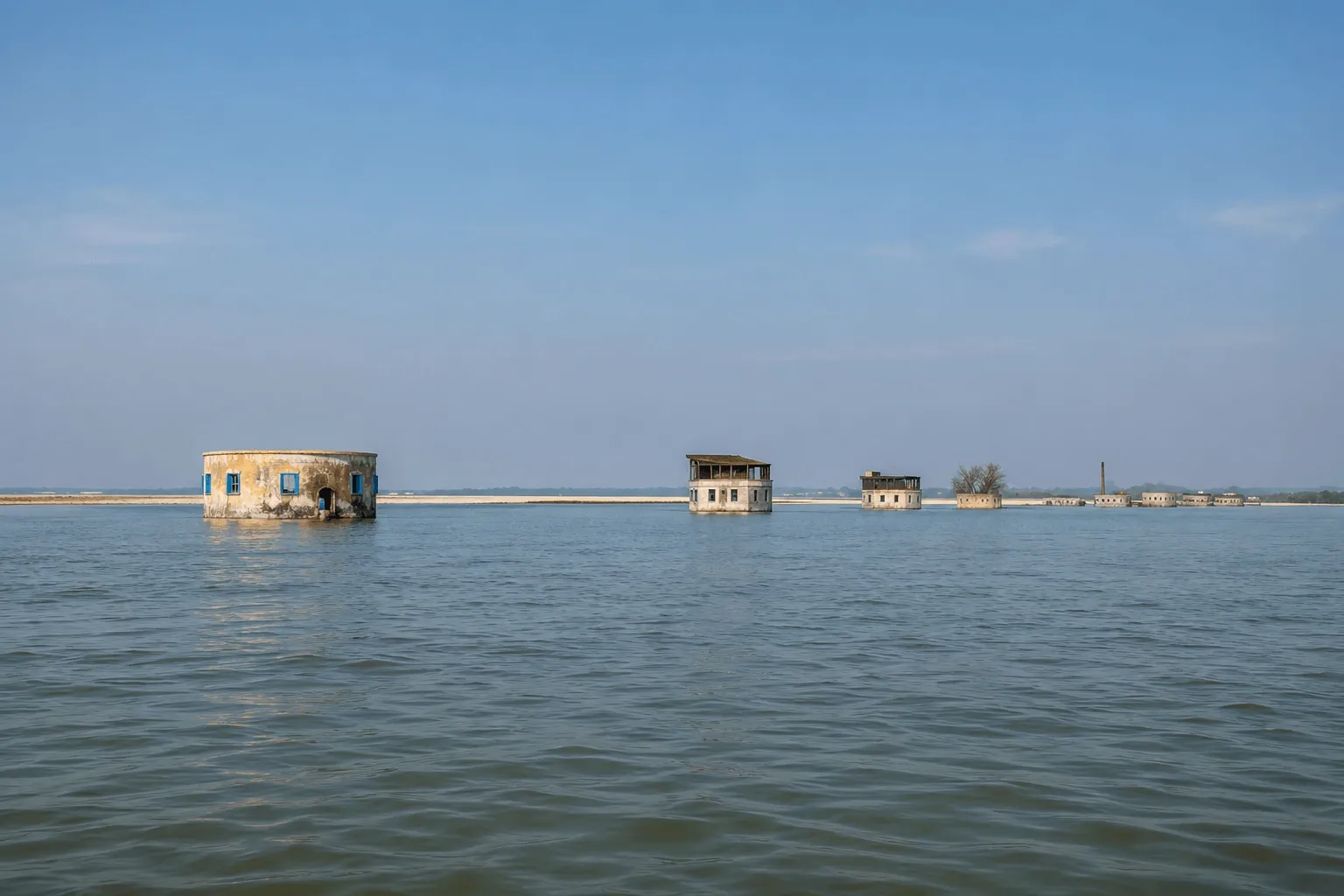
A Glimpse into the History of Majuli
Seat of Neo-Vaishnavite Culture
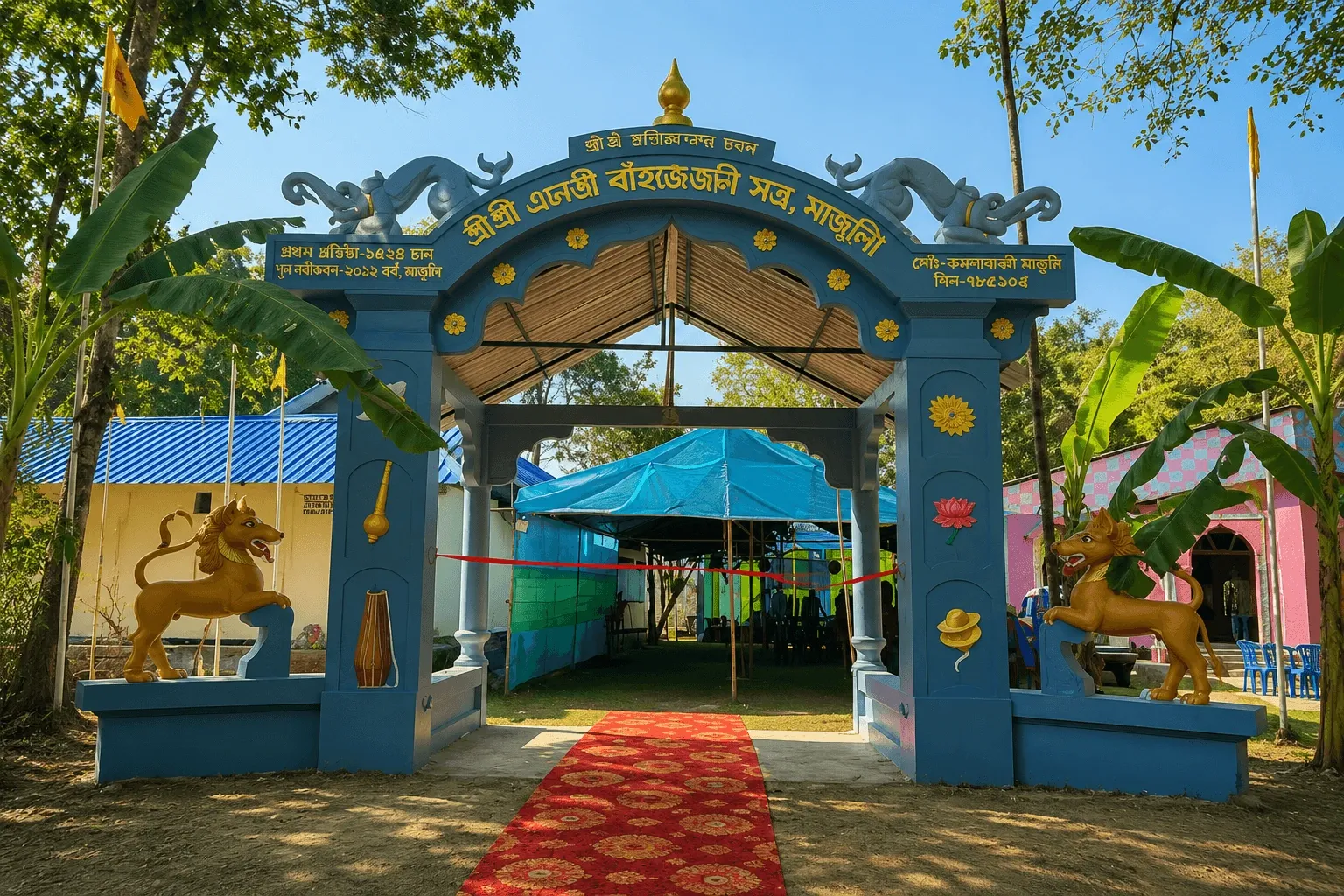
Majuli emerged as a major spiritual and cultural center when the neo-Vaishnavite movement spread across Assam under Srimanta Sankardeva and Madhavdeva. Over time, satras on the island became spaces where devotion, dance, music, theatre, and manuscript traditions were preserved with remarkable continuity.
Communities that Shaped the Island
The island's history is not only monastic. Majuli has long been home to Assamese families as well as Mising, Deori, and Sonowal Kachari communities whose traditions shaped local food, weaving, pottery, and river-based livelihoods. This blend of spiritual heritage and village culture is what makes Majuli feel so alive even today.
River Erosion and a New District Identity
Majuli's geography has changed over the decades because of floods and river erosion, and that fragile reality remains part of the island's story. Even so, its cultural importance never faded. In recent times, Majuli gained wider recognition as India's first island district, reinforcing its special place in Assam's historical and cultural landscape.
Significance of Majuli Island
Majuli matters because it preserves an important part of Assam's living cultural memory. Its satras still carry forward traditions of Sattriya dance, bhaona performance, devotional music, mask-making, and manuscript learning. At the same time, the island reflects the everyday resilience of river communities who live with changing water, ferry schedules, and seasonal floods. For travelers, Majuli is meaningful not because it is crowded with monuments, but because it offers a rare chance to experience culture as something still lived rather than only displayed.
Festivals and Seasonal Experiences Around Majuli
Raas Leela Festival
Raas is the most famous cultural season in Majuli and usually draws visitors in mid-November. Satras and cultural spaces come alive with performances based on the life of Lord Krishna, and the island feels especially vibrant during this period.
Bohag Bihu and Village Celebrations
During April, Majuli's villages and surrounding Assam region celebrate Bohag Bihu with music, dance, food, and warm community gatherings. It is a lovely season for travelers who want a softer cultural experience beyond the peak Raas rush.
Special Highlight: Satras, Masks, and Slow Island Life
The most memorable part of Majuli is the way culture unfolds naturally through the island. You may spend the morning visiting a peaceful satra, watch artisans shape masks in Samaguri, pause in a village for a simple local meal, and end the day beside the river after a ferry crossing. Majuli does not feel staged. Its beauty comes from quiet roads, open skies, and traditions that are still part of daily life.
Travel Guide to Majuli Island
How to Reach Majuli
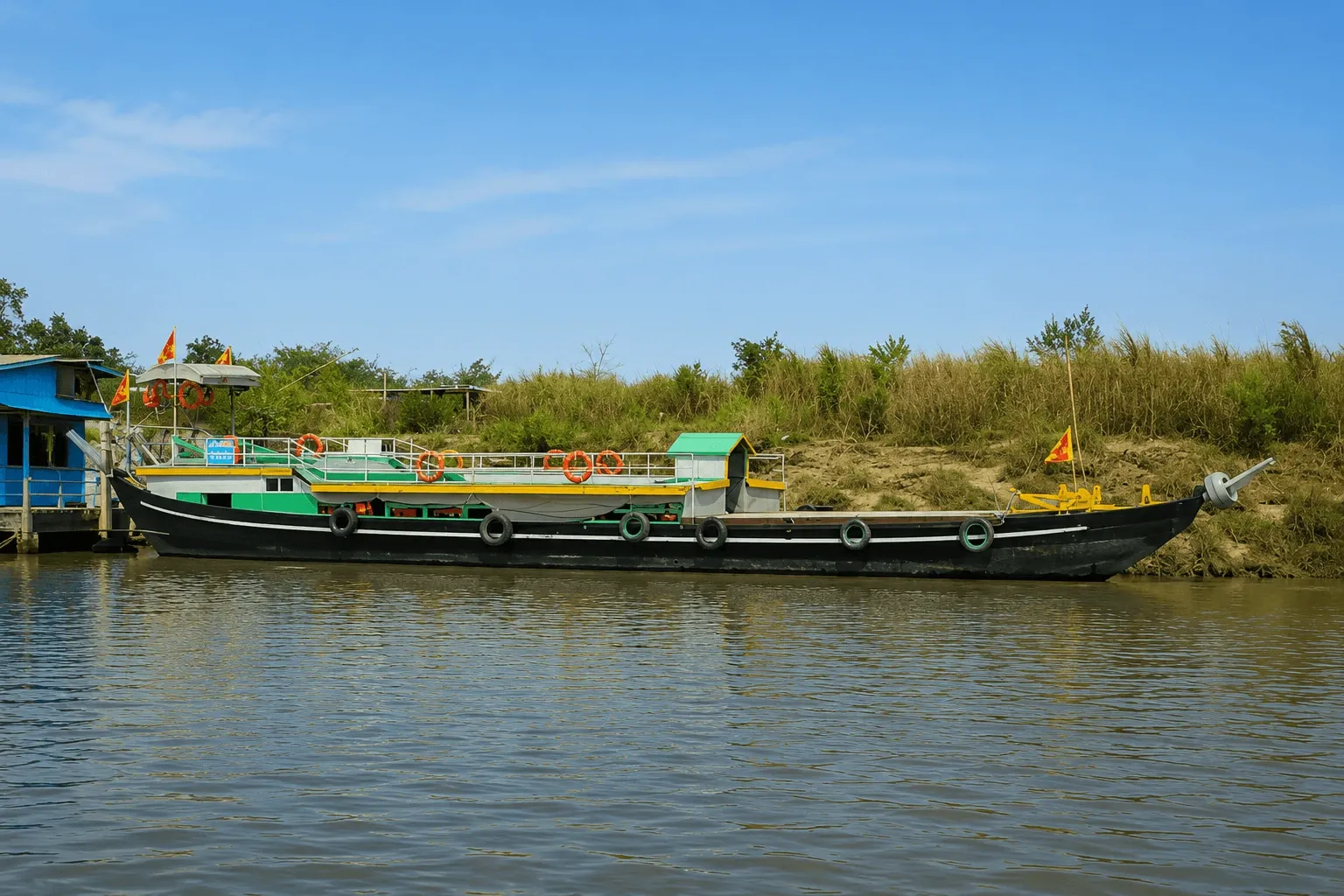
By Air: Jorhat Airport is the nearest practical airport for Majuli. From the airport, travelers usually continue to Nimati Ghat and then take a ferry to the island. Guwahati Airport is another option for visitors arriving from larger cities, but it involves a much longer onward road journey.
By Train: Jorhat serves as the nearest practical rail gateway because Majuli is commonly approached through Jorhat and Nimati Ghat. Mariani Junction is also used by some travelers depending on train availability, after which they continue by road toward the ferry point.
By Road: The usual road route is to reach Jorhat first and then continue about 14 to 16 km to Nimati Ghat. From there, regular ferry services connect to Majuli, and local vehicles are available after landing on the island.
Best Time to Visit
The best time to visit Majuli is from October to March, when the weather is pleasant and ferry travel is generally more comfortable. Mid-November is especially popular because Raas festival brings the island's devotional and cultural traditions to life. Monsoon months can bring water-level changes and ferry disruptions, so it is wise to check transport conditions before planning.
Local Attractions
Auniati Satra: One of the most respected satras in Majuli, known for its spiritual atmosphere and museum collection.
Dakhinpat Satra: A culturally important monastery often associated with devotional performances and festival visits.
Samaguri Satra: Best known to travelers for its traditional mask-making, which gives Majuli a very distinct artistic identity.
Tips for Devotees and Travelers
Start early from Jorhat and check ferry timings in advance, because the last crossings can fill up quickly or change with river conditions.
Carry some cash for ferries, local transport, and small village shops, since digital payments may not work everywhere on the island.
Pack light but keep a waterproof cover for bags, especially if you are traveling in shoulder season when sudden rain or splashes at the ghat are possible.
Dress modestly and stay respectful inside satras. Some spaces are devotional first and tourist sites second, so quiet behavior is appreciated.
Island Location
Image Gallery
Nearest Places to Visit
Auniati Satra
Dakhinpat Satra
Samaguri Satra
Salmora Pottery Village